Brands/Retailers
- GAP/Banana Republic/Old Navy: Back in May, GAP inc. estimated tariffs to cost them between $100 million and $150 million, but they now expect that cost to rise to between $150 million and $175 million.
- Walmart: They also said they’re seeing their “costs increase each week” and expect that to continue through the rest of the year.
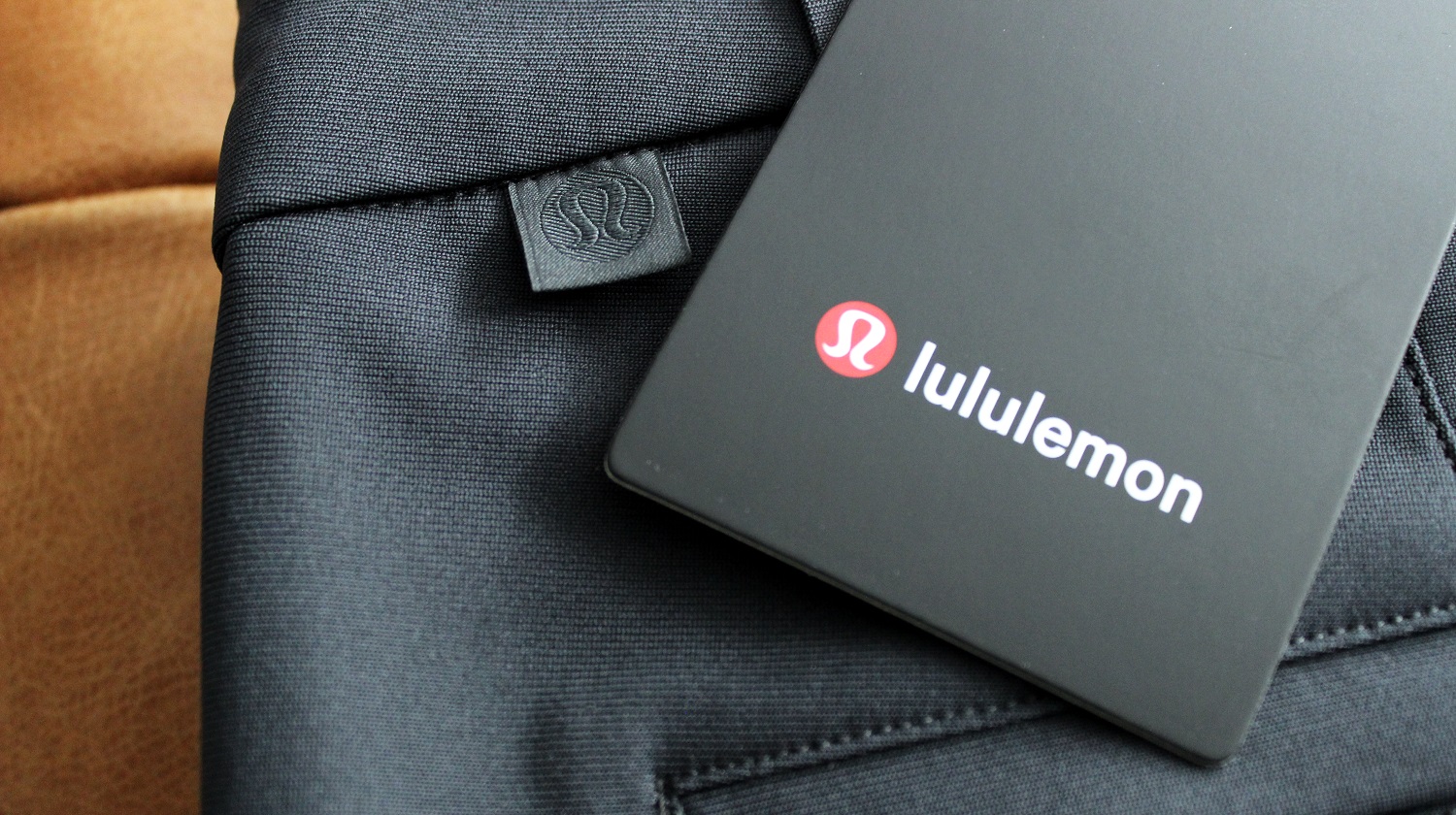
- lululemon: According to their CFO, tariffs and the end of the De Minimis exemption will have a “significant impact” on their business.
- adidas: They’ve warned of price increases, and said tariffs “will directly increase the cost of our products for the US.”
- Swiss Watchmakers: Luxury watchmaker Rolex hosted The President in their suite at the U.S. Open Final over the weekend. As Switzerland is currently stuck with a 39% tariff, this has been seen by some as an attempt to butter up the President by Rolex (which could also benefit other Swiss watchmakers like Swatch Group (Hamilton, Tissot, etc.), independent’s like Christopher Ward, etc.)
- Who’s paying the tariffs, so far? In the months following “Liberation Day,” corporations picked up a lot of the cost. But that may be changing. According to Goldman Sachs chief economist Jan Hatzius, U.S. consumers had absorbed 22% of tariff costs through June, but he estimated that figure could rise to 67% if the tariffs continue on the same trajectory.
Nations/Blocs
- China: They got another 90 day extension just hours before their pause was set to expire back in mid August.
- India: Their tariff rate was doubled to 50% (with some exclusions).
Legal/Executive Orders/etc.
- Many Tariffs are heading to the Supreme Court. Most of The President’s tariffs were ruled illegal by The US Court of Appeals for the Federal Circuit, which upheld The Court of International Trade’s decision. The reciprocal & fentanyl tariffs remain in place pending appeal to the Supreme court.
- What happens if the Supreme Court strikes them down? If the Supreme Court upholds the previous two rulings and strikes them down, Treasury Secretary Scott Bessent said about half of the tariffs already collected would have to be refunded. He said that would be “terrible for the Treasury”… but did add “there are numerous other avenues we can take”/other statutes the Administration could use to implement tariffs. Yet those particular statutes are more restrictive/less sweeping than IEEPA, which is the law the Administration argues grants The President these powers.
- The De Minimis exemption is dead: Effective August 29th for the entire world (not just China and Canada anymore). Shipments under $800 will now be subjected to duties and tariffs. Many European and Asian postal networks flat out halted shipments, which caused U.S. bound shipments to fall by 81%.
Worth a watch for those interested: